
Category: Techniques
-
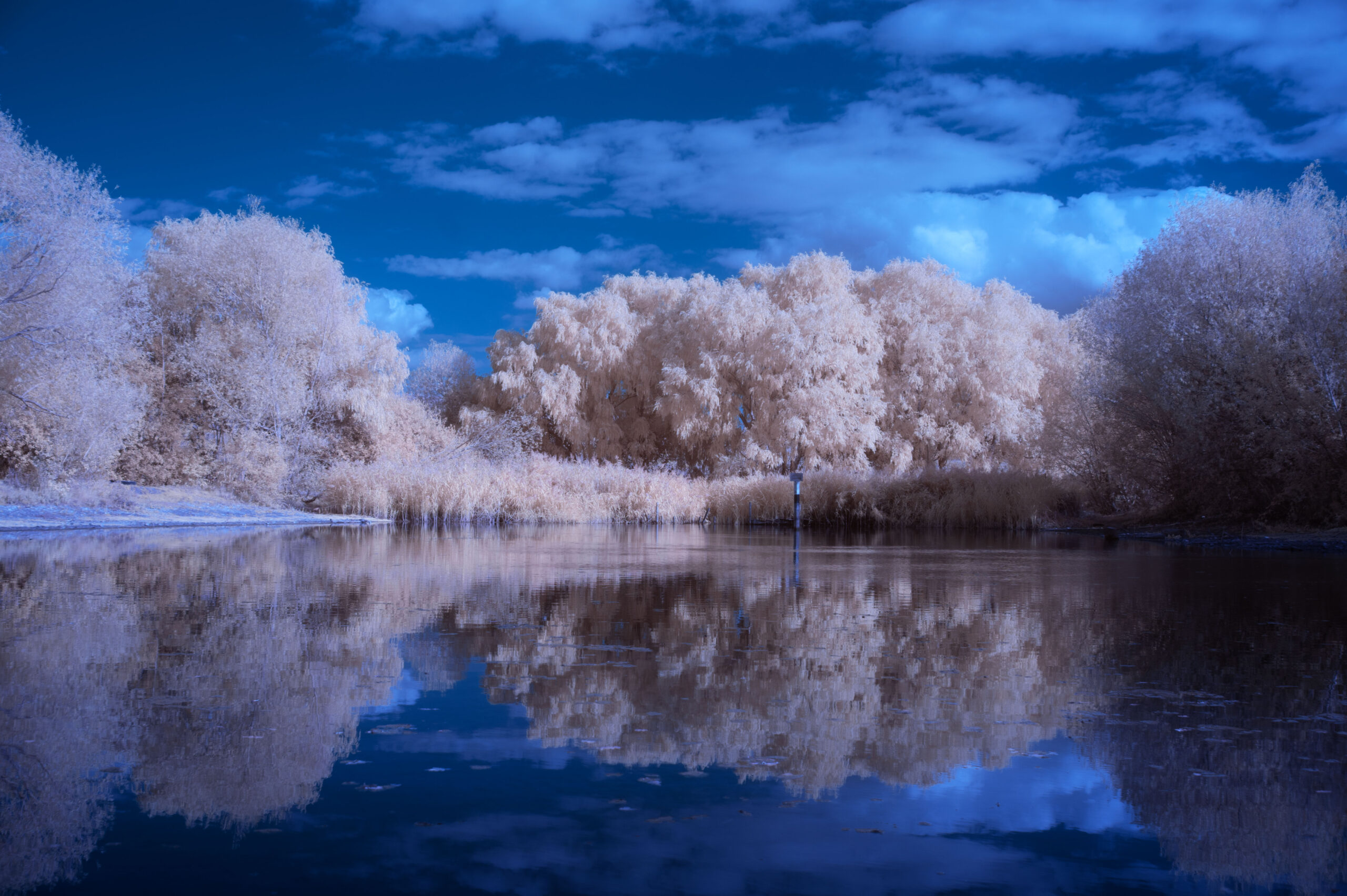
If you have just shot your first color infrared images (using a 590nm, 665nm, or 720nm filter), you might be confused. Instead of the blue skies and white/gold trees you saw online, your photos probably look like a wash of red, brown, and magenta. Your camera isn’t broken. This is just how digital sensors record…
-
If you are shooting with a 590nm “False Color” filter, channel swapping is mandatory. Without it, your images just look red. But if you are shooting with a standard 720nm filter – often sold as a “Black & White IR” filter – you might ask: Is there any point in channel swapping? The short answer is: Yes,…
-
Explain that raw color IR images often look red/brown. The “Blue Sky” look is artificial but desirable. H2: Why We Swap Channels: Brief theory—we are mapping the IR light to the Blue channel and the Visible light to the Red channel. H2: Step-by-Step in Photoshop: Open Channel Mixer. Red Channel: Set Red to 0, Blue…
-

This is for both Adobe Camera Raw and working in Photoshop as well, via the Camera Raw controls found in Filters > Camera Raw. Shooting in the near-IR range (720–850nm) can produce dramatic B&W images. The raw files usually come out very flat, reddish and low in contrast, so some careful processing is needed. Here…
-
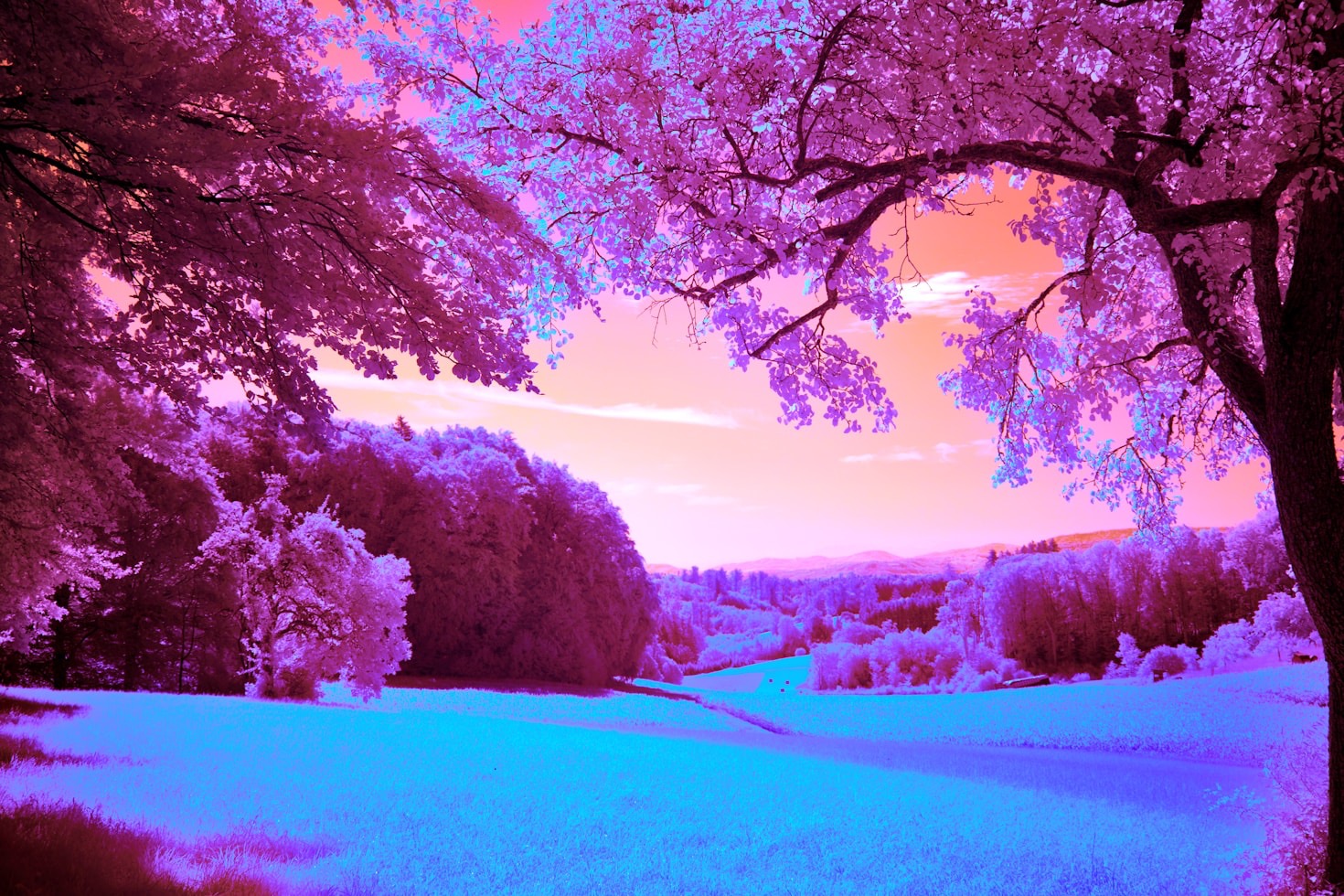
When you shoot using the ‘colour IR’ range of filters (550-665nm) you can go far beyond the classic red/blue channel swap. Here are some advanced tricks that work well in Adobe Camera Raw (ACR) and Photoshop: 1. Push the White Balance Beyond Normal Limits 2. Multi-Channel Swap Variants The classic is Red ↔ Blue swap, but you can…
-
These are the foundational tricks that most IR shooters start with. They are quick and repeatable, and they don’t require diving deep into LAB colour or double-processing techniques. They will give you reliable results and provide a foundation of understanding that will help when you move on to more advanced experimental processes. 1: White Balance on Green…
-

This paragraph serves as an introduction to your blog post. Begin by discussing the primary theme or topic that you plan to cover, ensuring it captures the reader’s interest from the very first sentence. Share a brief overview that highlights why this topic is important and how it can provide value. Use this space to…